Table of Contents
- What Is Minimalist Interior Design?
- Why Minimalist Design Works for Modern Indian Homes
- Key Elements of a Minimalist Home
- Minimalist Living Room Ideas
- Minimalist Bedroom Ideas
- Minimalist Kitchen Ideas
- Minimalist Bathroom and Dining Spaces
- Smart Storage for a Clutter-Free Home
- Colours and Materials for Indian Minimalist Interiors
- Lighting Ideas for Minimalist Homes
- Common Mistakes to Avoid
- How to Plan a Minimalist Home Interior
- Frequently Asked Questions
- Conclusion
What Is Minimalist Interior Design?
Minimalist interior design is all about simplicity, functionality and visual balance. Instead of filling every available corner with furniture and decoration, the design gives importance to the things that are genuinely useful and meaningful. Clean lines, a restrained color palette, practical furniture and enough open space to allow comfortable movement are typical of minimalist homes.
But minimalism doesn't have to look identical in all homes. A family home may need more storage, a comfy sofa, a dining space and places for everyday things. You want to avoid leaving the house looking empty. The idea is to make it feel neat.
This approach can be quite helpful for the home owners who are working with Kottayam interior designers for planning interiors for apartments, independent houses and compact rooms where every square foot matters.
Why Minimalist Design Works for Modern Indian Homes
Indian homes often need to fit multiple activities in the same space. The living room is for family time, entertaining guests, watching television and sometimes work or study.
These spaces can do multiple things at once with minimal planning without visually overcrowding.
A practical Indian minimalist home can blend:
- Plenty of overstuffed furniture with comfortable seating
- Storage for everyday things
- Wood look or natural wood finishes
- Neutral base colors with selected accents
- Good natural light
- Kitchen storage that works.
- Simple yet comfortable bedroom furniture
- Natural textures, house plants
- Surfaces easy to clean
So, if it is planned around the way a family actually lives, minimalism can be both attractive and practical.
Key Elements of a Minimalist Home
- Keep the Layout Straightforward
Before you pick out furniture or decorations, think about how you’ll get around the room.
Don’t place furniture just because you have an empty corner. Leave enough room to walk around sofas, beds, dining tables and other frequently used spaces.
A good layout can make a room feel larger without altering its dimensions.
- Select Furniture For Function
Any of those big pieces of furniture should have a purpose.
Instead of filling the living room with lots of cabinets and tables, go for a comfortable sofa, a simple center table and a well designed TV unit with useful storage.
Multifunctional furniture can be especially helpful in smaller homes.
- Use Storage to Reduce Visual Clutter
Storage is one of the most important aspects of minimalist design.
Built-in wardrobes, closed cabinets, floating shelves and storage beds can help keep frequently used items tidy and maintain a clean look.
The less visual clutter you leave around, the calmer a room can be.
- Design a Consistent Color Palette
A minimalist home doesn’t have to be all white.
Warm white, beige, cream, light gray, muted green and natural wood tones work really well together. You can then add a darker color through a feature wall, furniture or accessories.
The limited color palette in connected rooms also helps create a cohesive visual flow throughout the home.
Minimalist Living Room Ideas
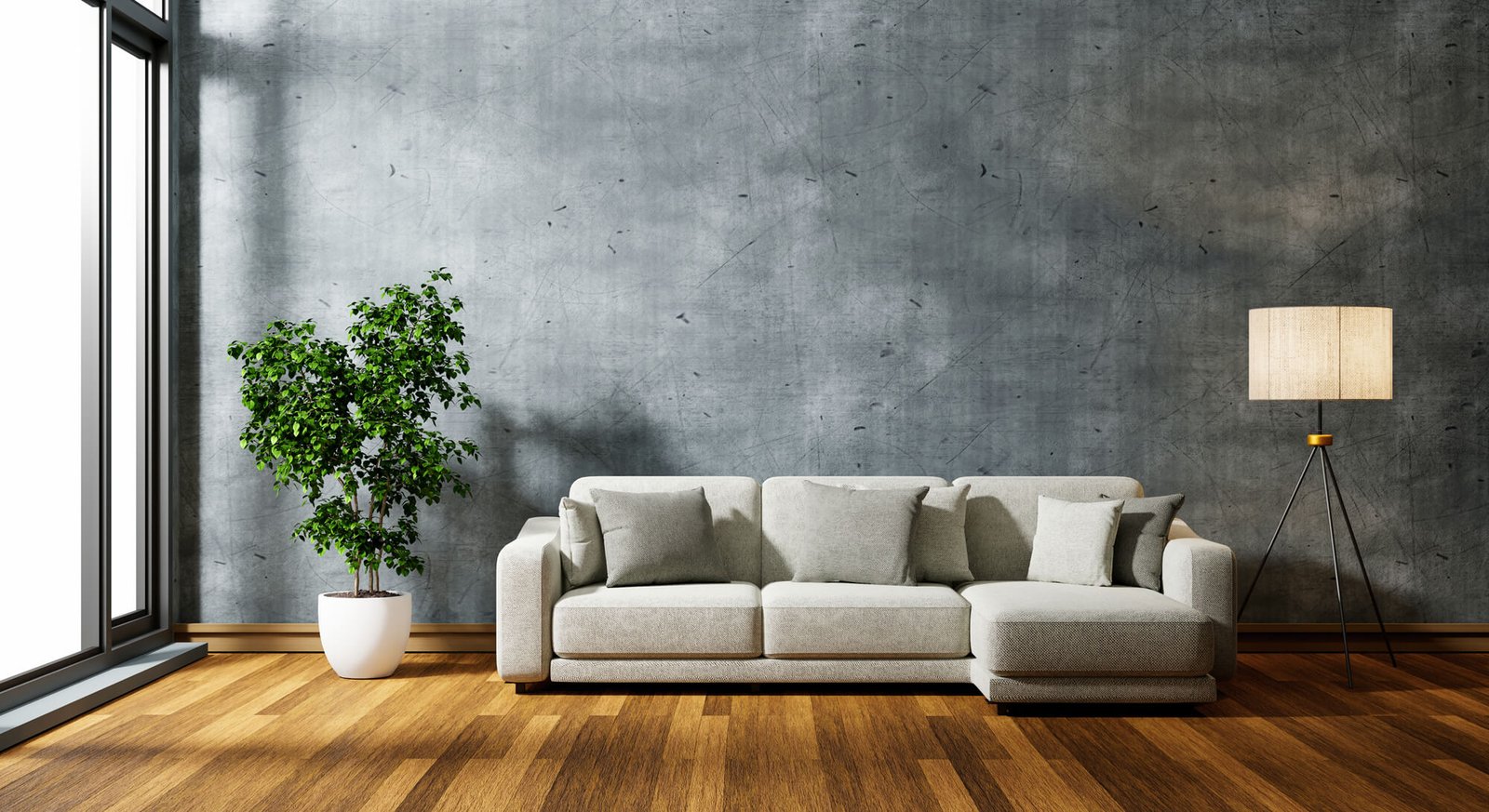
The living room is usually the first room that guests see, so it has to be attractive and comfortable for everyday use. If you are a Kerala homeowner looking for a living room interior design Kerala that you can actually use, go for a basic sofa in a neutral tone, a small coffee table and a simple TV unit.
Test These Concepts
- Instead of many decorative elements, use one main center of attention.
- Pick a sofa that fits the room instead of choosing an oversized model.
- Go for a floating TV unit to keep the floor looking open.
- Use a rug to add texture and keep the decorations to a minimum.
- Curtains in a soft neutral color.
- Add a natural touch with an indoor plant or two.
- Concealed storage for remote controls, books and small household items.
- Wooden textures can give
Wooden textures can add warmth to a minimalist living room, particularly when the rest of the palette is neutral.
Minimalist Bedroom Ideas
A bedroom should feel restful rather than visually busy. A simple layout, comfortable bed and organized storage can create a peaceful atmosphere.
For bedroom interior design in Kerala, homeowners can combine warm wood finishes with soft neutral walls and simple lighting.
Practical Bedroom Ideas
Choose a simple bed design:
A clean-lined bed with an upholstered or wooden headboard can become the main feature without requiring additional decoration.
Use built-in wardrobes:
Full-height wardrobes make use of vertical space and provide sufficient storage while keeping belongings out of sight.
Keep bedside tables functional:
A small table with one drawer may be enough for a lamp, phone and a few personal items.
Use layered lighting:
Combine general ceiling lighting with bedside or indirect lighting to create a more comfortable atmosphere at night.
Avoid excessive decoration:
Instead of several small frames and accessories, choose one artwork or a simple wall treatment.
Minimalist Kitchen Ideas
Minimalist Kitchen Inspiration
In the kitchen, minimalism really needs to be about functionality.
The handleless or low-profile cabinet designs can help provide a sleek look and well-planned internal storage helps to keep appliances, utensils and groceries organized.
Consider the
- Big storage units
- Appliance garages
- Pull Out Drawers
- Easy to clean countertops
- Basic cabinet colors
- Minimal open shelves
- Lighting under cabinets
A neutral kitchen doesn’t have to be boring. Warmth can be added with textured backsplashes, wood finishes or a subtle accent color.
Minimalist Dining and Bathroom Spaces
Bathroom
A minimalistic bathroom can be created by using simple wall finishes, clean-lined sanitary fixtures and concealed storage.
Mounted vanities can help with cleaning and visually open up the floor. Soft neutral tiles and limited patterns can also help make the space look bigger.
Dining Room
The dining room doesn’t require much decoration.
A well proportioned dining table with comfortable chairs and appropriate lighting can be enough. A pendant light above the dining table can be a visual centerpiece without any unnecessary accessories.
If space is limited, a small dining table or built-in seating might be a better use of the space available.
Smart Storage for a Clutter-Free Home
Clever Storage for a Neat Home
Minimalist interiors can make such a difference in everyday life, especially in terms of storage.
If things are piling up, don’t just buy more furniture. Consider storage in the first stage of interior design.
Useful options include:
- Wardrobes with full height
- Storage beds.
- Closed cabinet TV units
- Pull out kitchen units
- Storage study pre-installed
- shoe cabinets at the entrance
- Upper kitchen cabinets
- Storage under the window seat
- Hidden utility storage
It is especially great for families where it is important that everyday items are still accessible but the room doesn’t look too cluttered.
Colours and Materials for Indian Minimalist Interiors
The best minimalist interiors aren’t necessarily monochrome. They often employ a sober mix of colors and materials.
Colors
- Some common combinations are:
- Warm white + wood
- Walnut + beige
- Cream + pale green
- Light gray and wood
- off-white with charcoal details
- sand tones & terra cotta accents
Material
And natural-looking materials can also help minimalist interiors from looking too plain.
Wood, stone textures, cane, linen, jute and matte finishes can add to the visual warmth while the overall design remains simple.
By using simple forms and natural materials, houses in Kerala can look contemporary and yet remain comfortable and familiar.
Lighting Ideas for Minimalist Homes
Lighting plays a huge role in the ambiance of a minimalist interior.
Wherever possible, make good use of natural light. Keep windows relatively unobstructed, and select curtains that allow daylight into the room when privacy needs permit.
For artificial lighting, don’t just use a bright ceiling light, use a combination of light sources.
You may use:
- Recessed lightings
- Hanging lights
- Wall lights
- Under cabinet lights
- Lamps, table
- Cove or indirect light
- Accent lighting for select artwork or textures
- Warm lighting can also make neutral colors and wood finishes feel cozier in the evening.
Common Minimalist Interior Design Mistakes to Avoid
Minimalist design appears simple, but it calls for thoughtful planning to create that simplicity.
All White Making
White can give you a bright look, but using just white throughout the house can make the interior feel flat. Add warmth with wood, fabrics, plants or subtle accent colors.
Purchasing Furniture Before Planning the Layout
A sofa or cabinet that’s too large for the room can be useless. When buying furniture, consider dimensions, circulation and storage.
Too many open shelves
Open shelves can make a home look attractive, but too many shelves can easily become cluttered. “They should be used sparingly for things that are worth displaying.
Confusing Minimalism With Empty Spaces
A minimalist home should still be comfortable. Removing useful furniture simply to create empty space can make the home less practical.
Ignoring Storage
Without sufficient storage, everyday belongings will eventually end up on tables, chairs and countertops. Storage should therefore be part of the design from the beginning.
How to Plan a Minimalist Home Interior
When you plan the interior of your home, start with your lifestyle and don’t copy a design from social media.
Think about this:
- How does my family use every room?
- What items need to be stored regularly?
- How Much Furniture Do You Really Need?
- How does the natural light get into the house?
- What colors do I want throughout the house?
- How much maintenance can I afford?
- What places need more storage?
- What is my total interior budget?
When you answer these questions, the design can then be built around your actual needs.
If you are looking for interior designers in Kottayam, a professional design team can help coordinate space planning, materials, furniture, lighting and storage into one design.
For homeowners comparing interior designers in Kottayam Kerala, it is also useful to look beyond individual room designs. Ask about the complete design approach, material selection, functionality, budget planning and execution process.
Conclusion
Minimalist interior design doesn’t mean making a home look bare. It’s about creating a space where everything has a reason to be there.
The best way forward for modern Indian homes is a combination of comfortable furniture, smart storage, warm materials, natural light, simple layouts and a well-chosen color palette. This gives a good looking interior that is still practical for family life.
Whether you’re renovating a single room or the interiors of an entire home, a little planning can go a long way. A good minimalist interior should function, be comfortable and easy to live with, not just look good in photographs.
If you are planning a modern home interior in Kottayam, Latitude Design can help you develop a practical design that reflects your space, lifestyle and requirements.
Frequently Asked Questions
Yes. Minimalist interior design can be adapted very well to Indian homes by combining clean layouts with practical storage, comfortable furniture, natural materials and carefully selected colours. Indian families often need spaces that can serve multiple purposes, so minimalist planning can help keep rooms organized while maintaining everyday comfort. Warm wood finishes, indoor plants, soft fabrics and subtle decorative elements can also make a minimalist home feel welcoming rather than empty.
No. Minimalist interior design does not require an entirely white colour scheme. Warm white, beige, cream, light grey, muted green, earthy tones and natural wood can all work well in a minimalist home. Using a limited combination of complementary colours can create a clean and balanced appearance while still giving the interior warmth and personality.
Yes. Minimalist design can be particularly useful for small homes because it focuses on efficient space planning and avoids unnecessary furniture and clutter. Vertical storage, built-in cabinets, multifunctional furniture and floating units can help make better use of limited space. Choosing furniture according to the room size also allows for easier movement and can make a compact home feel more open and organized.
A minimalist living room can feel warm and inviting by combining natural materials, comfortable fabrics and suitable lighting. Natural wood finishes, rugs, cushions, indoor plants and warm layered lighting can add texture without making the space look crowded. For living room interior design in Kerala, homeowners can also consider the amount of natural light, ventilation and the way the family uses the room when choosing furniture, colours and finishes.
When choosing home interior designers in Kottayam, consider their design approach, previous residential projects, understanding of your requirements and ability to plan functional spaces. It is also important to discuss space planning, storage solutions, material selection, lighting, budget and project execution before starting the work. A designer should be able to balance the desired aesthetic with the practical needs of your family and the available space.
Yes. Minimalist interiors can be customized for Kerala homes by considering local climate, natural light, ventilation, materials, family requirements and everyday lifestyle. Natural wood tones, comfortable fabrics, practical storage and suitable lighting can help create a modern interior while maintaining a warm and livable atmosphere. Professional interior designers in Kottayam Kerala can also help adapt minimalist ideas to different home sizes, layouts and individual requirements.